Dr. Eileen Nchanji: Shaping the Future of African Agriculture Through Gender Inclusion
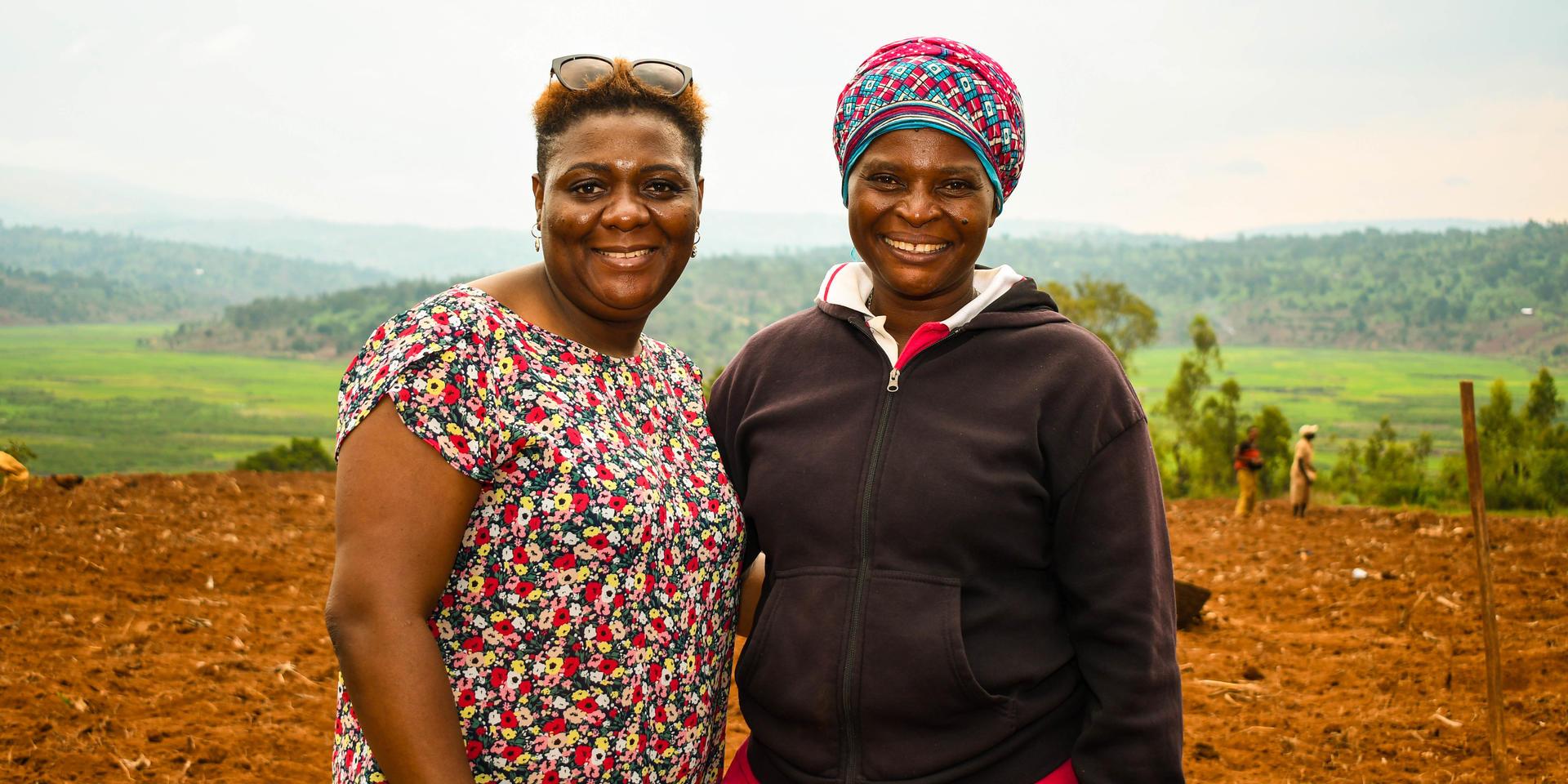 Photo Owen Kimani
In the recent edition, Africa’s Most Empowered Women Leaders Who Are Shaping the Future, African Chief Executives Insights magazine features Dr Eileen Bogweh Nchanji, Gender and Social Inclusion Expert at Alliance of Bioversity International and CIAT, alongside other influential African women leaders driving transformative impact across policy, development, innovation, and inclusive leadership on the continent.
The very first inequality lessons acquired by Eileen Nchanji were neither from policy papers nor project log frames but rather from observing how power silently influences daily life. With a background as an anthropologist, she grew attuned in her early age to the social factors that dictate who gets a hearing, who decides, and who reaps the benefits. That perspective became more focused in the cassava fields of Cameroon where she was working with women farmers who were risking their source of income through climate change and yet still having very little say in agricultural decisions.
Instead of solutions being prescribed to them, she decided to take the role of a listener. Making women’s preferences, labor realities, and risk considerations the focal point of her work became a significant characteristic of her work, and one that later would direct her interactions throughout Africa. Her professional path led her from the grassroots communities to the institutional spaces, including the German development agency GIZ where she had to deal with the sensitive intersections of gender, tradition, and reproductive health. These experiences solidified her belief that in agriculture the technical issues cannot be separated from social structures.
Currently, she is the Gender and Social Inclusion Expert at the Alliance of Bioversity International and the International Center for Tropical Agriculture, and she is the one who connects research, policy, and practice. The work that she does ensures that gender evidence is translated into systemic change and, consequently, women, youth, and marginalized groups are recognized not as recipients but as the forces behind the resilient and inclusive agricultural futures.