Missing Link in Agricultural Water Governance: Gendered Psychosocial Challenges Arising from Agricultural Water Insecurity
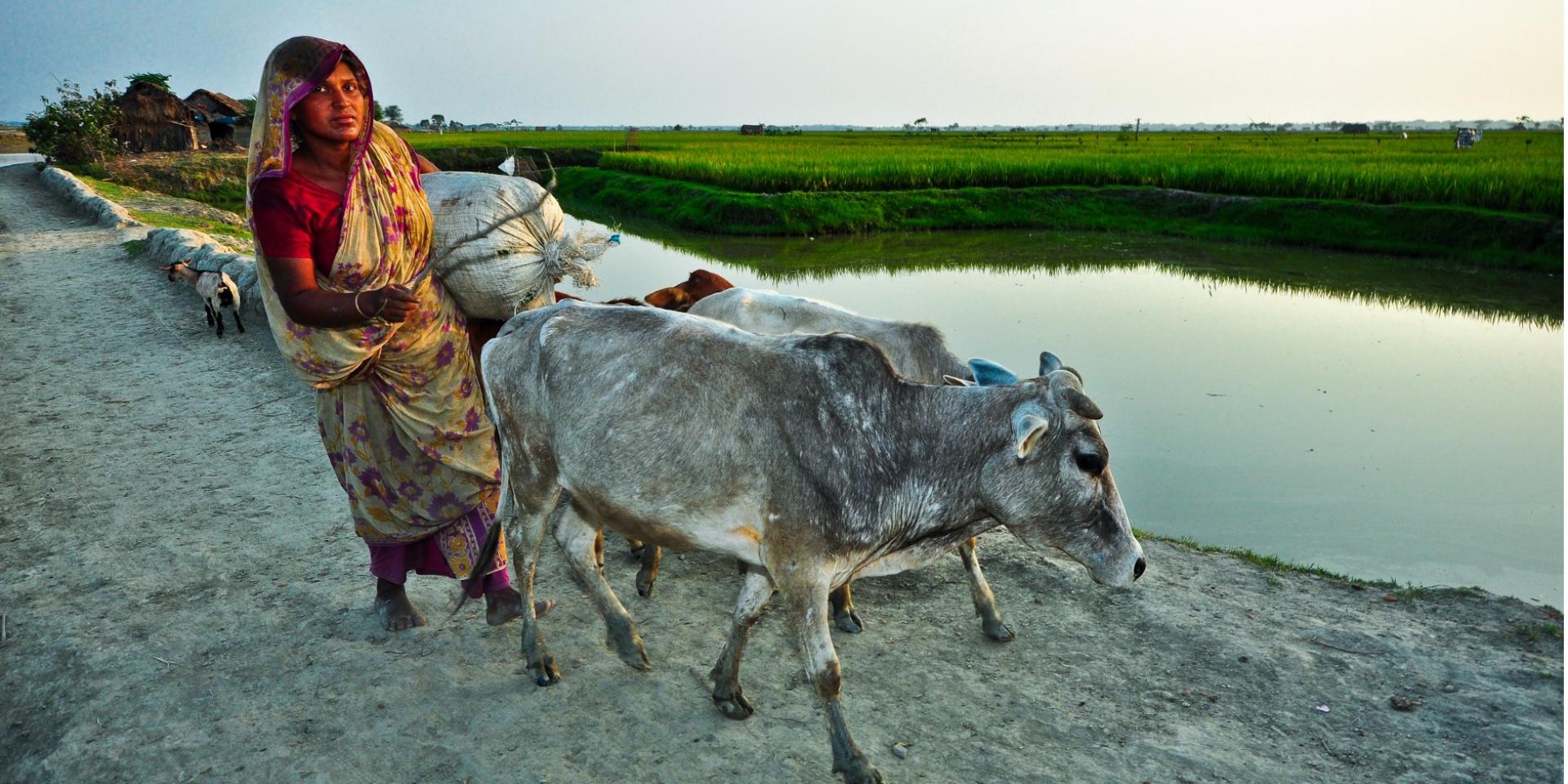
Cover photo: For women, agricultural water insecurity transforms routine water work into a persistent psychosocial burden of worry, negotiation, and emotional fatigue.
Water insecurity is psychosocial-not just hydrological
For decades, research and policy on agricultural water have focused narrowly on water volumes, infrastructure, irrigation efficiency, and crop productivity. Water scarcity has always been framed as a technical or biophysical constraint, something to be solved through pumps, canals, tubewells, and improved management. What has remained largely invisible, however, are the psychosocial burdens of water insecurity, such as chronic worry, emotional exhaustion, fear of harassment, shame, that are an everyday reality when water becomes unreliable and contested.
These issues shape how women organize time, make decisions, manage households, sustain livelihoods, and absorb climate shocks. Because psychosocial dimensions were rarely measured, they remained largely absent from irrigation policy, water governance debates, and climate adaptation planning.
Gendered Division of Water Work
Across South Asia, women contribute more than half of agricultural labour, alongside their unpaid domestic responsibilities. Women are known to typically shoulder responsibility for domestic water collection; much less is known about women’s challenges in accessing water for livestock watering, homestead gardening, crop irrigation, and food processing.
As male out-migration intensifies due to climate stress, crop loss, and livelihood insecurity - women are increasingly primarily responsible for agricultural food systems. Shared responsibilities for domestic and productive work are increasingly becoming a burden for which women are primarily responsible. Yet women remain largely excluded from water governance decisions.
These changes dramatically increase women’s exposure to water-related stress. Their everyday lives are shaped by unequal access to and control of water by powerful individuals or groups, which demands the constant need to adapt and cope. Women continuously face challenges of balancing water for domestic use, livestock or other crop needs, and often walk further for accessing water, or compromise in multiple ways when negotiating for water. In such contexts, water insecurity is not just a physical constraint, but a daily emotional and psychosocial constraint.
Everyday Psychosocial Burdens
Our recent study of 800 men and women in Khulna districts, in southwestern Bangladesh, explores the emotionally embodied experiences of women using Agricultural Water Insecurity Experiences (AgWISE) module. The key psychosocial burdens using mixed methods that emerge are:
a. Anxiety and anticipatory stress
Unreliable access to water, especially where canals are privatized, sources are polluted, or rainfall is erratic, creates chronic anticipatory anxiety. About 57% women worry constantly about crop failure, food shortfalls, household conflict, and livestock health. This worry is not episodic; it is continuous and exhausting. As one participant of our survey expressed: “Before the dry months even start, my heart already feels heavy. I keep thinking about food, animals, and how I will manage the children. I start counting the days without water before the water is gone.
b. Cognitive overload
Longer water-collection journeys, irregular water availability, and repeated negotiations with gatekeepers (leaseholders, caretakers, powerful farmers, pump owners) drain women’s mental wellbeing. Tasks must be reordered repeatedly, plans collapse without warning, and rest is traded for constant contingency planning.
Evidence shows that time poverty exacerbates stress and decision fatigue, particularly among poor women. Water insecurity multiplies this effect, especially in climate vulnerable areas. Each additional water trip, each renegotiation, each failed access attempt compounds emotional fatigue, especially in climate-vulnerable areas.
c. Intra-community tensions
Social norms assign women the primary responsibility for ensuring water in the household and homestead production. When water becomes scarce due to drought, salinity, floods, or elite control, it is rarely seen as a structural problem. Instead, it is treated as a personal failure of women. They often face criticism and violence from husbands, reproach from in-laws, and disapproval from neighbors. One participant from our survey described this moral pressure painfully clearly: “If there is no water in the house, everyone looks at me first. They don’t ask where the water went or who controls the canal. They only ask why I could not bring it.” At community level, women may lose social standing, be excluded from reciprocal support networks, or withdraw silently from group activities out of fear of embarrassment.
d. Anger, helplessness, and internal suppression
Water insecurity generates intense anger and frustration among both women (48%) and men (65%), yet women are far more likely to internalize these emotions rather than express them. Social norms discourage women from showing anger in public spaces, especially in negotiations over water, because doing so can invite conflict, social exclusion, or permanent loss of access. As a result, emotional expression itself becomes risky. This forced emotional restraint turns distress inward, creating a quiet but persistent form of psychosocial harm.
d. Harassment and fear
For many women, accessing water is not only physically demanding but also emotionally threatening. Informal control over canals, tubewells, ponds, and water points exposes about 34% of women to verbal abuse, intimidation, and sexual harassment. The fear of being watched, questioned, or threatened turns routine water collection into a source of anxiety. “It is the daily comments, the stares, the warning that this place is not for women. Sometimes it feels safer to stay thirsty than to be humiliated. I go for water, not for arguments but the fear follows me back home.” expressed one study participant
e. Sleep disruption and mental fatigue
Water insecurity does not end with the day; it follows women and men into the night. Around 37% of women reported constant fear of crop failure from drought or flood, livestock being washed away by cyclones, embankments giving way, or waking up to find no usable water at all. Even when physical labour pauses, the mind continues to calculate risks-what will survive, what will be lost, and how the family will cope the next day. Sleep becomes light, broken, and restorative rest is increasingly rare. Explaining this issue one women said,, “Sleep does not come easily anymore. I close my eyes, but I see only dry fields, weak cattle, and empty pots.”
Structural Drivers of Gendered Psychosocial Stress
Emotions matter in resource struggles. Women’s everyday psychosocial burdens are not individual problems; they are produced by structural conditions that shape water access, control, and responsibility.
Privatization and elite control of common pool resources by state-sanctioned leases for aquaculture increasingly restrict access for smallholders and the landless. Women must negotiate for water in spaces dominated by male power, exposing them to harassment or humiliation.
Environmental precarity through cyclones, floods, salinity, and erratic rainfall creates constant uncertainty. This heightens women’s burden of improvising alternatives, intensifying stress during the agricultural lean season.
Weak, gender-blind water governance further intensifies stress. Poor coordination between water management agencies constrains women agency. Women are held socially responsible for securing water yet remain largely excluded from real decision-making over water infrastructure and allocation.
Psychosocial Spillovers at Household and Community Levels
The psychosocial burdens of water insecurity extend well beyond individuals, reshaping both household relations and community dynamics. At the household level, chronic anxiety, exhaustion, and fear intensify tensions over food preparation, livestock care, and water use. During periods of loss, blame deepens emotional strain. Over time, this constant pressure erodes trust, communication, and emotional stability within families.
At the community level, persistent water stress weakens social participation and reciprocity. Some women withdraw from group activities, avoid social gatherings, or become excluded from informal support networks out of fear of judgment and shame. Competition over limited water sources can also inflame disputes, weaken cooperation, and reduce willingness to engage in collective action around water management. In this way, water insecurity becomes not only a material challenge but a social and relational crisis, undermining collective resilience and adaptive capacity.
What Needs to Change
As agricultural water insecurity is also a psychosocial crisis, technical fixes alone are not enough. Pumps, canals, and other water management infrastructure must be accompanied by policies and programs that recognize women’s emotional labour, safety, and mental wellbeing as central to climate and water resilience.
First, psychosocial indicators must be integrated into agricultural water and climate programming not treated as peripheral or less important “soft issues.” Tools like AgWISE show that worry, fear, sleep loss, and emotional fatigue are measurable and relevant in policy formulation. Second, long-term leases over canals and public water bodies that compromise access to common pool water resources must be revoked or fundamentally restructured. Restoring these water sources as common-access resources is critical for irrigation equity, women’s safety, and psychosocial wellbeing. Third, water governance must be gender-responsive, ensuring that women have real voice and authority in decisions over water access, infrastructure, and allocation. This must be supported through sustained training and awareness programmes that build women’s leadership, technical capacity, and negotiation power within water governance institutions. Fourth, women’s safety at water access points must be addressed directly, with accountability mechanisms to reduce harassment, intimidation, and violence. Finally, time-saving and reliability-enhancing community-based water solutions must be prioritized to reduce women’s cognitive and emotional overload, particularly for female-headed, landless, and climate-exposed households.
All these interventions together can strengthen gender equity, water governance, and climate resilience. Women’s participation in water institutions improves transparency, legitimacy, and fairness in water allocation, while training and awareness build adaptive capacity, negotiation power, and confidence. Integrating psychosocial dimensions into water policy helps reduce stress, fear, and emotional fatigue that undermine productivity and social cohesion. At the household level, reduced time of poverty and more reliable water access improve food security and wellbeing. At the community level, these changes support collective action, trust, and long-term adaptive governance under climate stress.
Disclaimer: This story has not been reviewed by the CGIAR GENDER Equality and Inclusion Accelerator. The views expressed here are those of the author(s) and do not necessarily reflect the views of the Accelerator.