Including gender in design of monitoring and evaluation
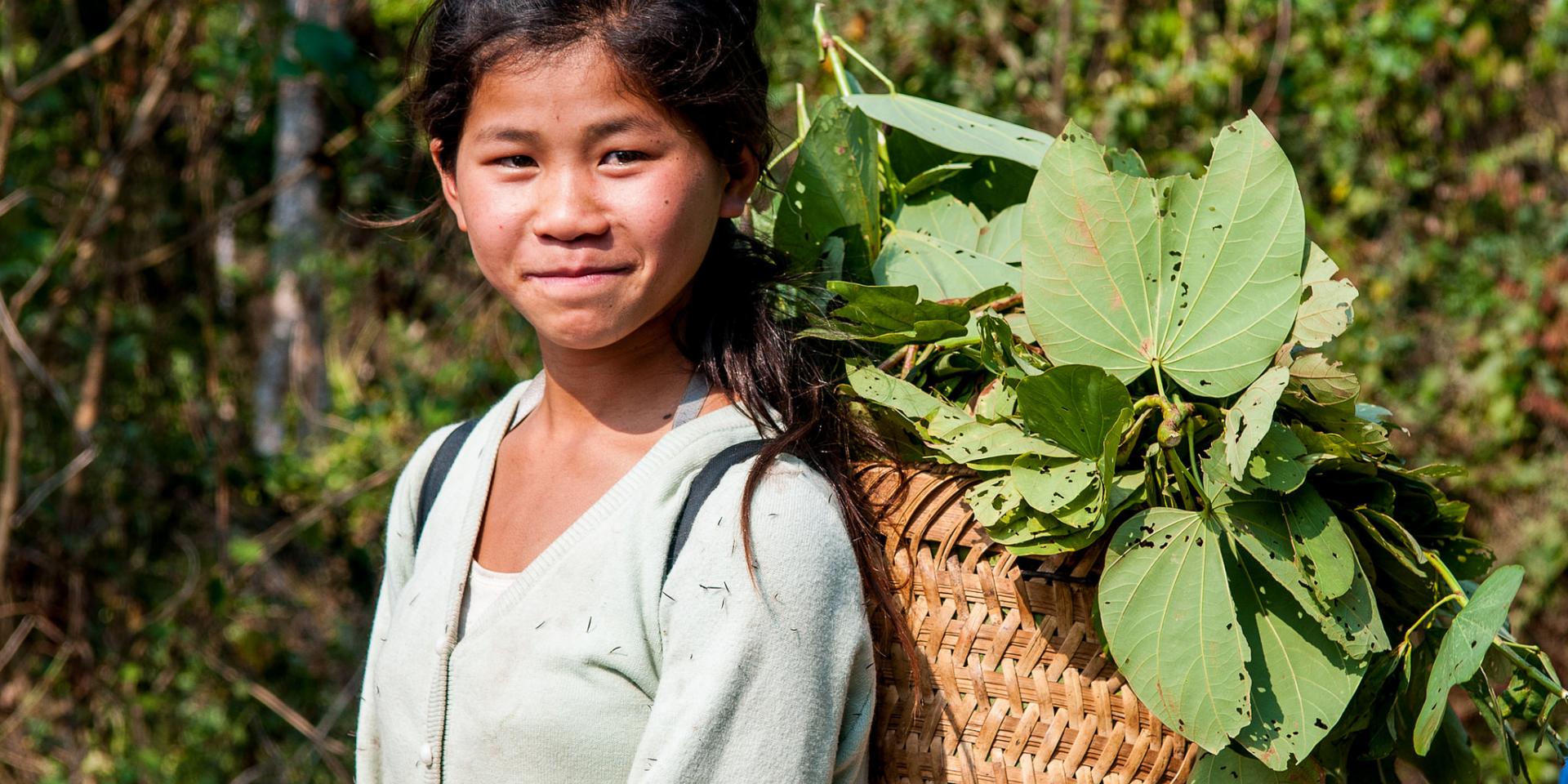
Gender sensitivity in the design of monitoring and evaluation and of the indicators used means impact on women farmers can be measured.
Why is the manual important?
It is important to incorporate gender equality outcomes into the monitoring and evaluation (M&E) component of any project or program dealing with rural climate services to ensure that the services provided reduce gender inequalities.
The material presented in this manual is drawn from ongoing and past interventions.
Who is the manual for?
The manual is useful for project planners who are designing projects or programs in the provision of climate services to rural farmers and rural communities. It is also useful for policymakers.
Country of focus: Cambodia, Laos, Mali, Rwanda, Vietnam
How can I use the manual?
The paper recommends several factors to include in the design of M&E and their indicators. Useful literature from the rural development sector includes that which draws on existing empowerment frameworks, uses mixed methods and participatory tools, and follows gender-aware interview practices.
M&E should incorporate:
- gender equality objectives
- gender support for M&E staff
- gender analysis in preliminary socioeconomic assessments
- sex-disaggregated data collection and analysis, i.e. collecting information from women and men about women and men.
Data to be collected should focus on the gender-based factors that influence inequalities in access to and the use of climate information.
This includes access to group processes, access to sources and formats, the relevance of weather and climate information, and capacity to act on information. Women’s participation in agricultural decision-making should also be covered.
When and how was it developed?
The paper draws on lessons learned from gender-aware M&E in rural development, particularly in agriculture. It presents three case studies from CGIAR CCAFS projects in Mali; Rwanda; and Cambodia, Laos and Vietnam.
Where can I get the manual? Who can I contact?
Tatiana Gumucio, tgumucio[at]iri.columbia.edu
Sophia Huyer, s.huyer[at]cgiar.org
Publications