Integrating Gender Issues into Agricultural Value Chains (INGIA-VC): understanding, analyzing, addressing
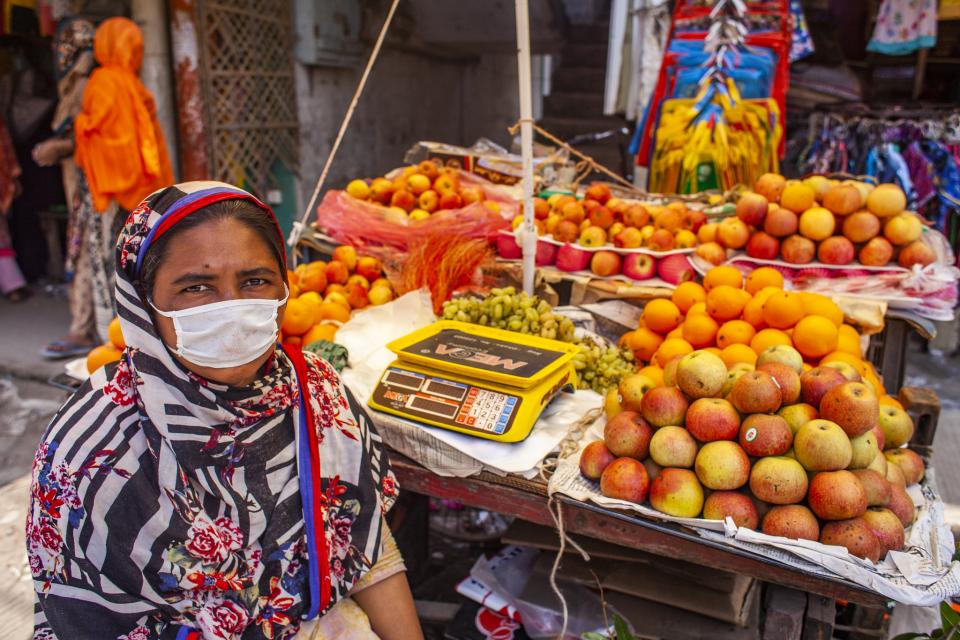
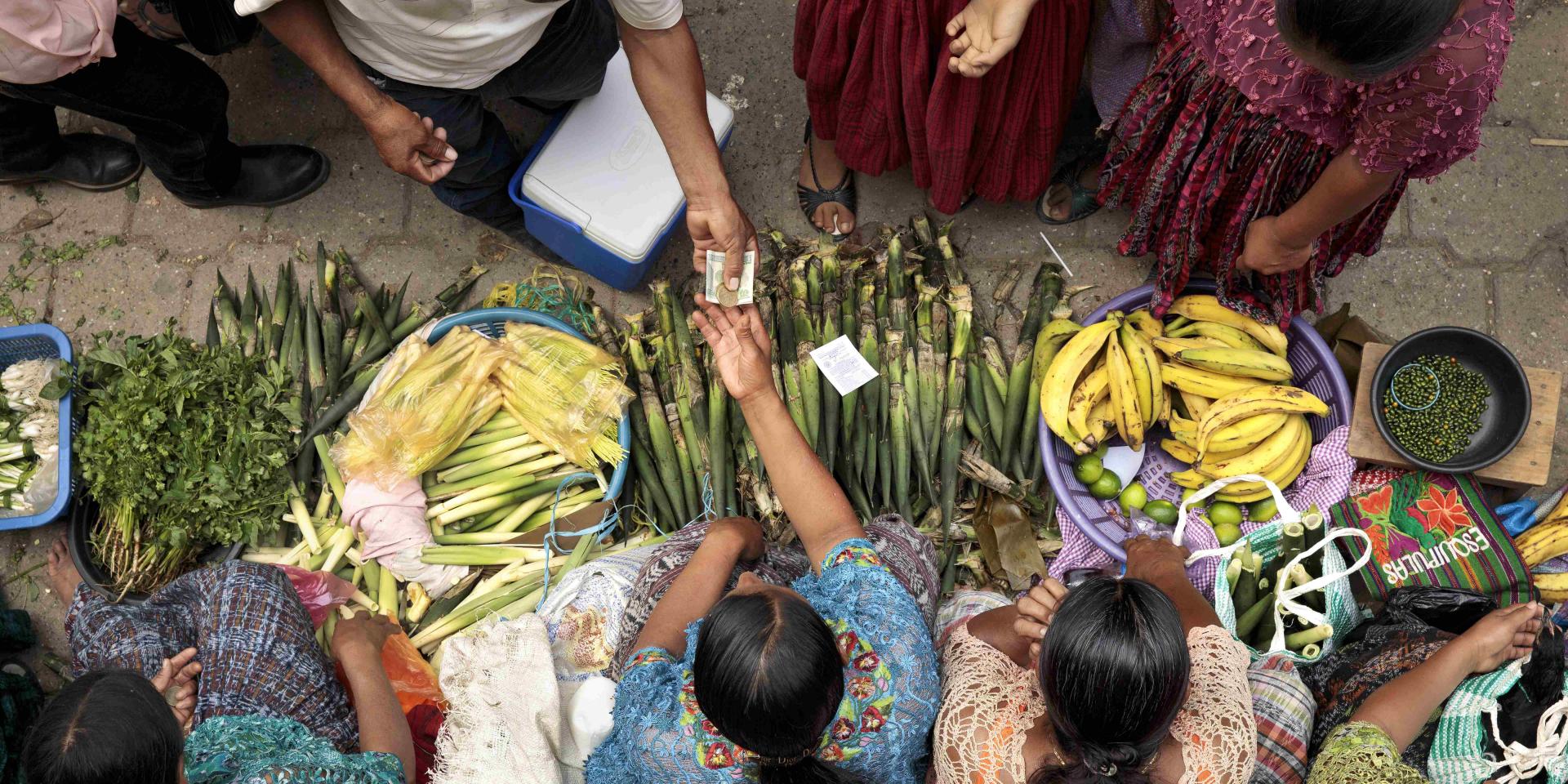 Photo: UN Women/Ryan Brown.
This manual aims to help practitioners better understand how gender roles and relations impact value chains and program outcomes.
Why is the framework important?
Gender issues fundamentally shape everything in an economy, from production to distribution and consumption, but have often been overlooked in value chain development.
Who is the framework for?
This manual is for practitioners and implementers working in agricultural value chains.
How can I use the tool?
The manual brings together concepts from gender, agriculture, microenterprise development and value chains - to summarise an understanding of agricultural value chains from a gender perspective.
It covers how:
-
- gender issues affect agricultural value chains
- to analyze and address gender issues in agricultural value chains
Then it gives a five-step process for identifying and evaluating gender-based constraints within agricultural value chains with tools and worksheets for implementing the process. Annexes include extra resources, scope of work, and a fact sheet.
The manual was developed after a training program was piloted in Kenya and in Tanzania, so other materials available include case studies from:
-
- Kenya
- Tanzania
- Pro-poor analyses
- Peru
- Bangladesh
When and how was it developed?
The manual was developed in 2009 from a participatory training program within the Greater Access to Trade Expansion (GATE) project, based on The Domains Framework for Gender Analysis.
Where can I get the method/tool/course? Who can I contact?
You can access the manual here, and directly get the PDF here [3.8 MB].
Deborah Rubin
culturalpractice@culturalpractice.com
Rubin et al. 2009. Promoting gender equitable opportunities in agricultural value chains; Promoting Gender Equitable Opportunities in Agricultural Value Chains: A Handbook. Washington, DC: USAID.
Tools, methods, manuals
Publications
Gender in value chains: Practical toolkit to integrate a gender perspective in agricultural value chain development
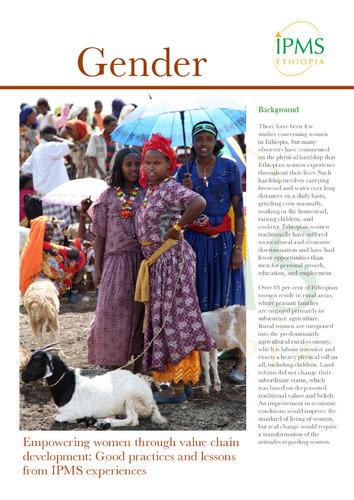
Gender—Empowering women through value chain development: Good practices and lessons from IPMS experiences